Discover the Best Escape Room in Minneapolis-- Book Your Experience
Group Approaches: How to Work together Successfully in a Retreat Room
Navigating the complexities of a retreat space demands even more than mere excitement; it calls for a well-coordinated strategy grounded in clear communication, strategic function tasks, and skilled time administration. Groups need to actively listen per participant's insights, assign duties that line up with private strengths, and keep normal check-ins to make sure emphasis and avoid redundancy. By cultivating a setting that values communication and versatility, groups can dramatically heighten their performance and success prices. The nuances of these strategies can transform the experience, but how specifically can they be applied to make best use of the potential for success?
Establish Clear Interaction

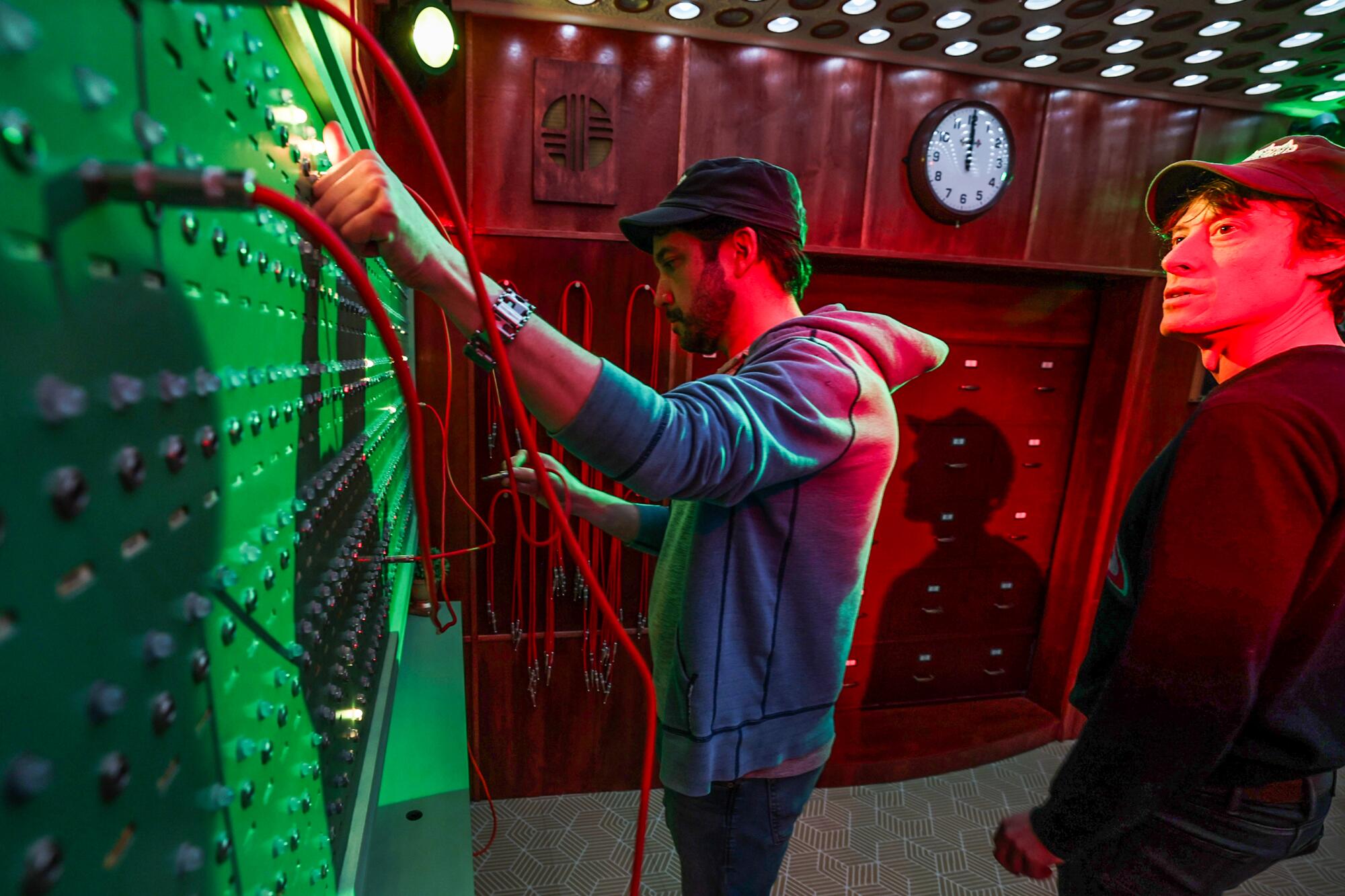
To help with clear communication, it is crucial to assign a main point of get in touch with for information circulation. Short, concentrated updates from each team participant can keep the team informed without frustrating them with information.
Assign Functions Strategically
While clear communication sets the structure for effective team effort, assigning duties tactically makes sure that each group participant's staminas are used properly. In an escape area circumstance, the time-sensitive and intricate nature of difficulties requires an efficient technique to job delegation. By determining and leveraging individual expertises, groups can optimize their analytic capacities and improve overall performance.
A person with an eager eye for information could excel in locating covert items, while a logical thinker could be better fit to fixing problems. This role often requires solid organizational and interpersonal skills.
Second, ensure that functions are flexible and versatile. As new difficulties emerge, the team needs to be able to pivot, reallocating jobs as called for. This versatility helps maintain energy and prevents bottlenecks that can take place as a result of inflexible duty assignments.
Ultimately, a tactical method to role assignment not just optimizes the strengths of each team participant however likewise fosters a natural atmosphere, driving the team towards a successful getaway.
Use Diverse Skills
Recognizing and harnessing the varied skills within your group can substantially elevate your efficiency in an escape area. Each group member brings unique strengths to the table, and efficiently leveraging these capabilities can speed up analytic and improve general performance. For instance, a staff member with strong logical abilities could excel at analyzing complex codes or patterns, while another with keen observational abilities may promptly find concealed clues that could overlook.
Reliable communication is vital to using these diverse skills. Urge staff member to voice their understandings and concepts immediately, making sure that all possible options are taken into consideration. This inclusive strategy promotes a vibrant environment where imagination and crucial reasoning can thrive. Additionally, appointing tasks that line up with each participant's staminas can avoid bottlenecks and make sure that progression is continuous.
Furthermore, diversity in abilities often converts to diversity in believing designs, which is indispensable in a retreat room setting. While some challenges may require rational thinking and discover here accuracy, others might take advantage of imaginative and lateral thinking. By recognizing and leveraging this diversity, groups can deal with a broader array of challenges better, consequently boosting their opportunities of an effective retreat.
Manage Time Successfully
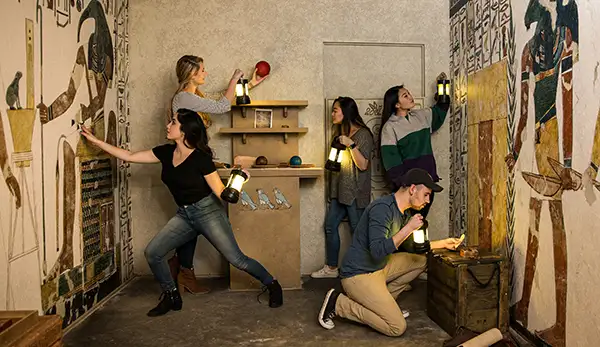
First, allocate first mins for a quick survey of the space. Identify visible puzzles and separate jobs based on team members' toughness, making certain that nobody is still. Set inner time checkpoints to evaluate development occasionally; as an example, objective to have half the puzzles fixed by the mid-point of the game. This method can aid keep the group focused and prevent time from sliding away unnoticed.
Additionally, prevent passage vision. If a problem is taking also long, revolve staff member or proceed to an additional difficulty, returning later on with fresh perspectives. Communication is critical-- maintain everybody upgraded on fixed problems and continuing to be tasks to prevent repetitive efforts.
Last but not least, utilize any type of tips or hints sparingly but tactically - best escape room. Understanding when to ask for help can save beneficial time. By sticking to these time management concepts, teams can dramatically boost their chances of a successful and pleasurable getaway area experience
Debrief and Reflect
Reflection is an important facet of team advancement and enhancement in the context of escape spaces. Once the obstacle is finished, whether successfully or otherwise, it is crucial for the team to engage in a structured debriefing session. This process permits team members to evaluate their performance, identify staminas, and identify go to this web-site areas for renovation.
Start the debrief by reviewing what went well. Highlight details circumstances of efficient interaction, problem-solving, and collaboration. Recognizing these positive behaviors reinforces them and encourages their repeating in future challenges.
Go over minutes of complication, miscommunication, or inadequate techniques. Motivate an open and positive dialogue where team members can share their perspectives without worry of criticism.
Conclusion
Finally, successful collaboration in a retreat area is based upon clear interaction, calculated role jobs, the effective use of varied abilities, and efficient time administration. Routine check-ins and organized debriefings are essential for preserving emphasis and fostering continuous improvement. By creating a natural and adaptive group environment, the chance of efficiently solving challenges and achieving the objective of escaping the area is significantly improved. This approach not just ensures success however also advertises cumulative development and discovering.